Case studies

CNC Case Evidence by Industry, Workpiece, and Process Route

Each case connects a machining problem with workpiece data, material, original process route, recommended model, new route, cycle target, and inspection evidence.

WorkpieceMaterialOld processNew routeInspection result

Production pain points

Production problems WISEECNC equipment is built to solve.

These points are extracted from automotive, mold, valve, heavy-equipment, aviation, and electronics machining requirements.

Automotive capacity pressure

Automotive parts suppliers need stable, reliable, efficient CNC equipment and mature process routes to meet repeated market demand.

Integrated parts with many features

Engine blocks, hubs, brake drums, valve bodies, mold sliders, and aviation parts often need turning, milling, drilling, tapping, and inspection in a controlled route.

Large parts need torque and rigidity

Heavy bases, frames, valves, rings, and flanges require higher spindle torque, stronger machine rigidity, and stable cutting performance.

Complex materials and accuracy demands

Civil aviation and precision machinery parts need stable systems, flexible configurations, multi-axis capability, and clear inspection evidence.

Limited floor space and equipment utilization

Compact factories need machines that reduce transfers, improve utilization, shorten machining time, and save workshop area.

Evidence format

Every formal case answers these buyer questions.

A case becomes proof only when the buyer can see the part, the old route, the new route, and the measurable result.

Workpiece photoReal part, sample, or machining photos show what type of component the case is built around.
Material and dimensionsMaterial grade, blank state, diameter, height, weight, or part envelope make the case comparable.
Old process routeThe original machines, setups, transfers, and inspection steps explain the production bottleneck.
Recommended modelThe selected model is connected to diameter, load, tool access, torque, rigidity, and floor-space limits.
New process routeTurning, milling, drilling, tapping, grinding, or inspection are reorganized around fewer clampings.
Cycle and accuracy resultTrial-cut cycle time, setup reduction, inspection result, and acceptance standard are recorded when confirmed.
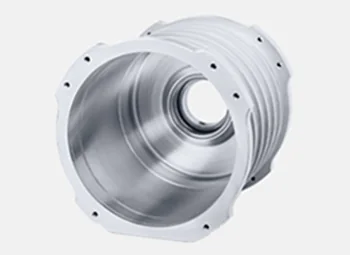
Wheel hub / brake drum style rotating part

Automotive parts manufacturing

Automotive Hub Machining Reduced from 3 Setups to 1 Setup

An automotive supplier under delivery pressure needed more repeatable output for hub-style parts. The value of the VTM route was not simply speed; it removed the repeated locating risk that made batches hard to keep consistent.
WorkpieceWheel hub / brake drum style rotating part
MaterialCast iron or ductile iron, final material confirmed by drawing
SizeTypical OD 420-650 mm; height 120-260 mm
Recommended modelHZ-VTM650 or HZ-VTM800 with C-axis and live-tool drilling/tapping options
Old process routeCNC lathe rough turning -> second lathe finish turning -> drilling/tapping center
Old problemThree clampings created datum drift between bore, face, bolt circle, and side features. Delivery planning also depended on several machines being free at the same time.
New process routeVertical clamping -> rough and finish turning -> bolt-hole drilling/tapping -> face and groove finishing in one setup
Cycle changeProcess target: reduce machine transfers from 3 to 1 and cut non-cutting handling time by about 30-40%, to be confirmed by trial cut.
Accuracy resultAcceptance target: keep bore-to-face datum and bolt-circle position stable through one clamping; final tolerance follows buyer drawing and inspection report.
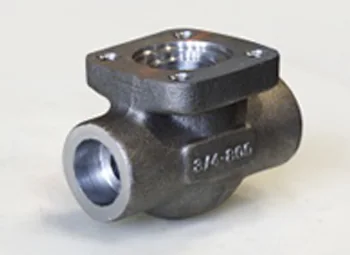
Large valve body / valve flange face

Valve manufacturing

Valve Body Machining Process Reduced from 3 Setups to 1 Setup

A valve factory needed higher output without turning the line into a lifting and transfer problem. The WISEECNC route keeps the heavy workpiece on one vertical platform for more of the process.
WorkpieceLarge valve body / valve flange face
MaterialCast steel, stainless steel, or ductile iron depending on valve type
SizeTypical OD 500-900 mm; heavy short-axis workpiece
Recommended modelHZ-VTM800, HZ-VTM1000, or gantry-type vertical turn-mill-grind platform by diameter and weight
Old process routeVertical lathe face turning -> radial drilling machine -> milling or boring machine for secondary faces
Old problemLarge valve parts were difficult to move safely. Repeated lifting increased operator risk, fixture time, and alignment error between sealing face and hole features.
New process routeVertical clamping -> sealing-face turning -> drilling/tapping -> local milling or grinding option -> inspection before unloading
Cycle changeProcess target: remove two lifting transfers and reduce fixture preparation time; exact cycle change requires buyer workpiece drawing and trial machining.
Accuracy resultAcceptance target: sealing face, bore, and bolt-hole relationship checked from the same datum; final report records flatness, runout, and hole position.
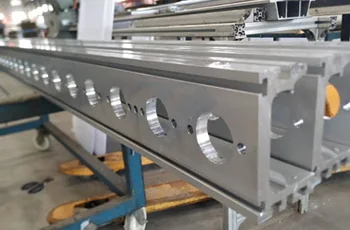
Large ring, base, frame, or machinery support part

Construction machinery and heavy equipment

Construction Machinery Ring and Frame Parts Moved to a Higher-Rigidity Vertical Route

A heavy-equipment supplier was not only buying machine travel. It needed torque, rigidity, and a shorter route so large parts did not keep blocking cranes and floor area.
WorkpieceLarge ring, base, frame, or machinery support part
MaterialCast iron, cast steel, or welded structure after stress relief
SizeTypical OD 800-1600 mm or large flat heavy part
Recommended modelHZ-VTM1000 to HZ-VTM2000, or gantry-type vertical compound center for oversize parts
Old process routeHeavy turning on one machine -> boring or drilling on another -> manual repositioning for secondary surfaces
Old problemLow spindle torque, weak rigidity, and long part handling time limited cutting efficiency. Large floor-space occupation also made line planning difficult.
New process routeHeavy vertical clamping -> high-torque turning -> drilling/tapping or milling of secondary features -> final dimensional inspection
Cycle changeProcess target: reduce transfer waiting time and keep heavy cutting on a rigid platform; cycle improvement depends on removal volume and tooling plan.
Accuracy resultAcceptance target: stable size control after heavy cutting, with inspection focused on flatness, bore size, parallelism, and key-hole position.
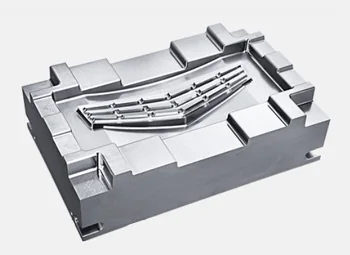
Mold insert, slider, or curved-surface steel component

Mold and die manufacturing

Mold Slider and Curved Surface Process Planned Around Four-Axis Access

A mold shop needed the equipment choice to follow the geometry, not a generic model list. The proposed route focuses on rigidity, vibration resistance, and access to difficult features.
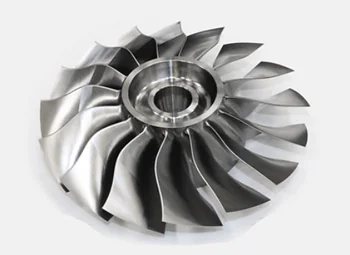
WorkpieceMold insert, slider, or curved-surface steel component
MaterialP20, 718, H13, or similar mold steel
SizeTypical block 300-900 mm, confirmed by mold drawing
Recommended modelHard-rail VMC, HMC with four-axis capability, or VTM plus supplementary machining path when turning features are included
Old process routeVertical machining center roughing -> repositioning for angled holes -> separate finishing or EDM preparation
Old problemCurved surfaces and inclined holes made repeated setup necessary. Each setup increased checking time and risked mismatch between hole and surface features.
New process routeRigid roughing -> four-axis or indexed angled-hole machining -> finishing route planned from the same CAD datum
Cycle changeProcess target: reduce re-fixturing and manual alignment; exact time saving depends on angled-hole count and fixture design.
Accuracy resultAcceptance target: hole angle, slide fit, and curved-surface finish verified against CAD and inspection method agreed before quote.
Aviation disc, ring, or complex precision rotating part

Civil aviation parts

Civil Aviation Disc Part Planned for Stable Multi-Process Machining and Inspection

An aviation supplier needed confidence that the equipment could handle material variety and inspection discipline. The proposed case shows how machine selection, tooling, and checking are planned together.
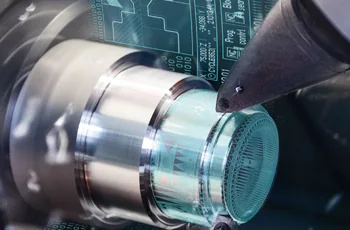
WorkpieceAviation disc, ring, or complex precision rotating part
MaterialAluminum alloy, stainless steel, titanium alloy, or high-strength alloy by drawing
SizeTypical OD 300-800 mm; tolerance and inspection route confirmed before RFQ
Recommended modelHZ-VTM650/HZ-VTM800 with C-axis/live-tool options, or multi-axis CNC solution by feature complexity
Old process routeSeparate turning, milling, drilling, deburring, and inspection stages across several stations
Old problemMany part types, complex structures, and varied materials required stable systems, flexible configuration, and traceable inspection instead of a single generic machine.
New process routeProcess review from drawing -> stable vertical clamping -> integrated turning and secondary operations -> online or in-process inspection plan where required
Cycle changeProcess target: shorten transfer time and reduce intermediate inspection loops by confirming datum and inspection points before machining.
Accuracy resultAcceptance target: inspection record for critical diameter, face runout, hole position, and surface finish according to buyer standard.
Small fixture, connector housing, or compact mechanical component

Electronics and precision components

Electronics Fixture and Small Precision Parts Machining Built Around Compact High-Speed Equipment

An electronics parts shop needed speed and stability more than a large machine envelope. The solution direction is compact, fast, and easy to repeat across small batches.

WorkpieceSmall fixture, connector housing, or compact mechanical component
MaterialAluminum, stainless steel, brass, or engineering plastic
SizeTypical part envelope under 300 mm
Recommended modelSmall vertical lathe, gang-tool style turning solution, or compact vertical drilling-milling center by feature list
Old process routeSmall lathe -> drilling/milling center -> manual deburring and rechecking
Old problemHigh-mix small parts needed fast response, stable spindle performance, and compact equipment without wasting floor space on oversized machines.
New process routeCompact clamping -> high-speed turning or drilling/milling -> batch inspection plan for small precision parts
Cycle changeProcess target: reduce handoff between small machines and improve spindle utilization for repeat small batches.
Accuracy resultAcceptance target: dimensional repeatability and surface finish checked by sample approval before batch production.